

The latest Federal Reserve decision came with little surprise—but plenty of implications.
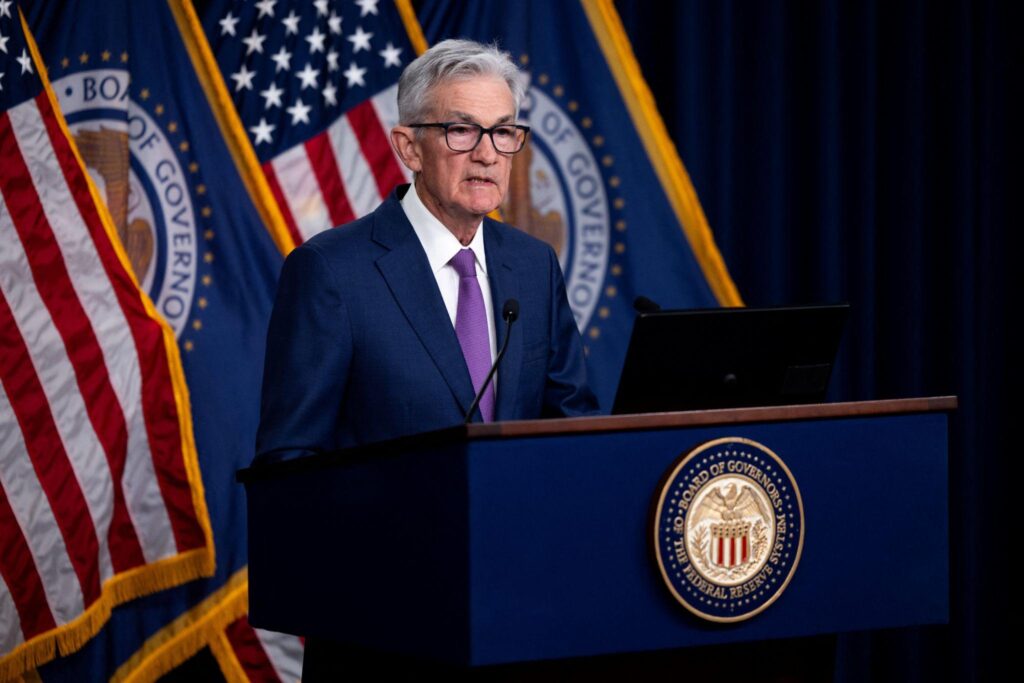
At his final meeting as Fed Chair, Jerome Powell chose to leave interest rates unchanged, a move widely expected by markets. However, beneath the surface, a more important signal emerged: a growing number of dissenting Fed governors.
And for traders, that’s where things get interesting.
A “Hold” Decision—But Not a Unified One
While markets had largely priced in a pause, the lack of consensus within the Federal Reserve introduces a new layer of uncertainty.
Historically, when dissent within the Fed increases, it often signals:
- Shifting economic expectations
- Internal disagreement on inflation or growth
- A potential policy pivot on the horizon
With a new Fed chair expected to step in soon, the big question becomes:
👉 Will policy remain steady—or is a shift coming?
What This Means for the S&P 500 (SPY)
At the same time, technical signals are starting to flash caution.
The SPDR S&P 500 ETF Trust (SPY), one of the most widely followed market benchmarks, is currently showing signs of bearish divergence.
What Is Bearish Divergence?
In simple terms:
- Price continues to move higher
- Momentum indicators (like RSI or MACD) begin to weaken
This disconnect can signal that:
👉 Buying pressure is fading—even as prices rise
While not an immediate sell signal, bearish divergence often precedes periods of consolidation or pullback.
Why Traders Should Pay Attention Now
This combination—Fed uncertainty + weakening momentum—creates a critical environment for traders.
Here’s what to watch:
1. Market Reaction to Fed Leadership Changes
A new Fed chair could bring shifts in tone, policy, or forward guidance.
2. Key Technical Levels
If SPY fails to hold key support levels, it could confirm the bearish divergence signal.
3. Volatility Expansion
Periods of uncertainty often lead to increased volatility—creating both risk and opportunity.
Positioning in a Shifting Market
Instead of trying to predict the next move, disciplined traders focus on:
- Defined risk setups
- Clear entry and exit rules
- Staying flexible as conditions evolve
This is where structured, rule-based strategies tend to outperform emotional decision-making.
The Bottom Line
The Fed’s decision to hold rates may not have shocked the market—but the rising internal disagreement and weakening technical signals shouldn’t be ignored.
We’re entering a phase where:
- Policy direction is less certain
- Momentum may be fading
- Volatility could increase
👉 And that’s exactly when disciplined traders gain an edge.
Watch the Full Breakdown
For a deeper dive into the charts, key levels, and potential trade setups, be sure to watch this week’s Market Minute.